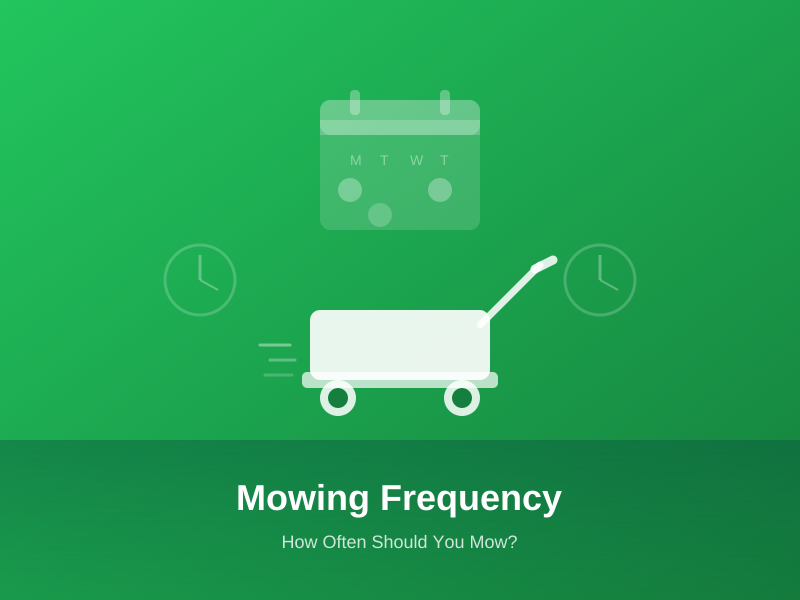
Mowing frequency is not a one-size-fits-all answer. It depends on your grass type, the time of year, rainfall, fertilization, and even your lawn goals. Get it right, and you will have a thick, lush lawn that is the envy of the neighborhood. Get it wrong, and you will stress your grass into decline.
The One-Third Rule
The golden rule of mowing: never cut more than one-third of the grass blade length at a time. Cutting too much shocks the plant, weakens the root system, and makes your lawn vulnerable to weeds, disease, and drought stress.
For example, if your ideal grass height is 3 inches, mow when it reaches 4.5 inches. This means your mowing schedule should be based on growth rate, not the calendar.
Mowing Frequency by Season
Spring (March - May)
Grass growth explodes in spring. Expect to mow every 5-7 days during peak growth. This is also the best time to gradually lower your cutting height to encourage thickening.
Summer (June - August)
In hot summer months, raise your cutting height by 0.5-1 inch. Taller grass shades the soil, retains moisture, and prevents weed seeds from germinating. Mow every 7-10 days, or less frequently during drought.
Fall (September - November)
Growth slows but continues. Mow every 7-14 days. Gradually lower the height on your last few mows of the season to prevent snow mold.
Winter
In most of the US, grass goes dormant and does not need mowing. In southern states with warm-season grasses, occasional mowing may be needed through December.
Ideal Mowing Heights by Grass Type
- Kentucky Bluegrass: 2.5 - 3.5 inches
- Tall Fescue: 3 - 4 inches
- Bermuda Grass: 1 - 2 inches
- Zoysia Grass: 1 - 2.5 inches
- St. Augustine: 2.5 - 4 inches
- Perennial Ryegrass: 2 - 3 inches
Pro Tips for Better Mowing
- Alternate your mowing pattern: Mow in a different direction each time to prevent grass from leaning one way and to reduce soil compaction.
- Mow when dry: Wet grass clumps, clogs your mower, and results in an uneven cut.
- Keep blades sharp: Dull blades tear grass instead of cutting it, creating brown tips and increasing disease risk.
- Mulch your clippings: Leave clippings on the lawn to return nitrogen and organic matter to the soil.
- Don't mow during peak heat: Early morning or evening is best. Mowing during the hottest part of the day stresses both you and your lawn.